
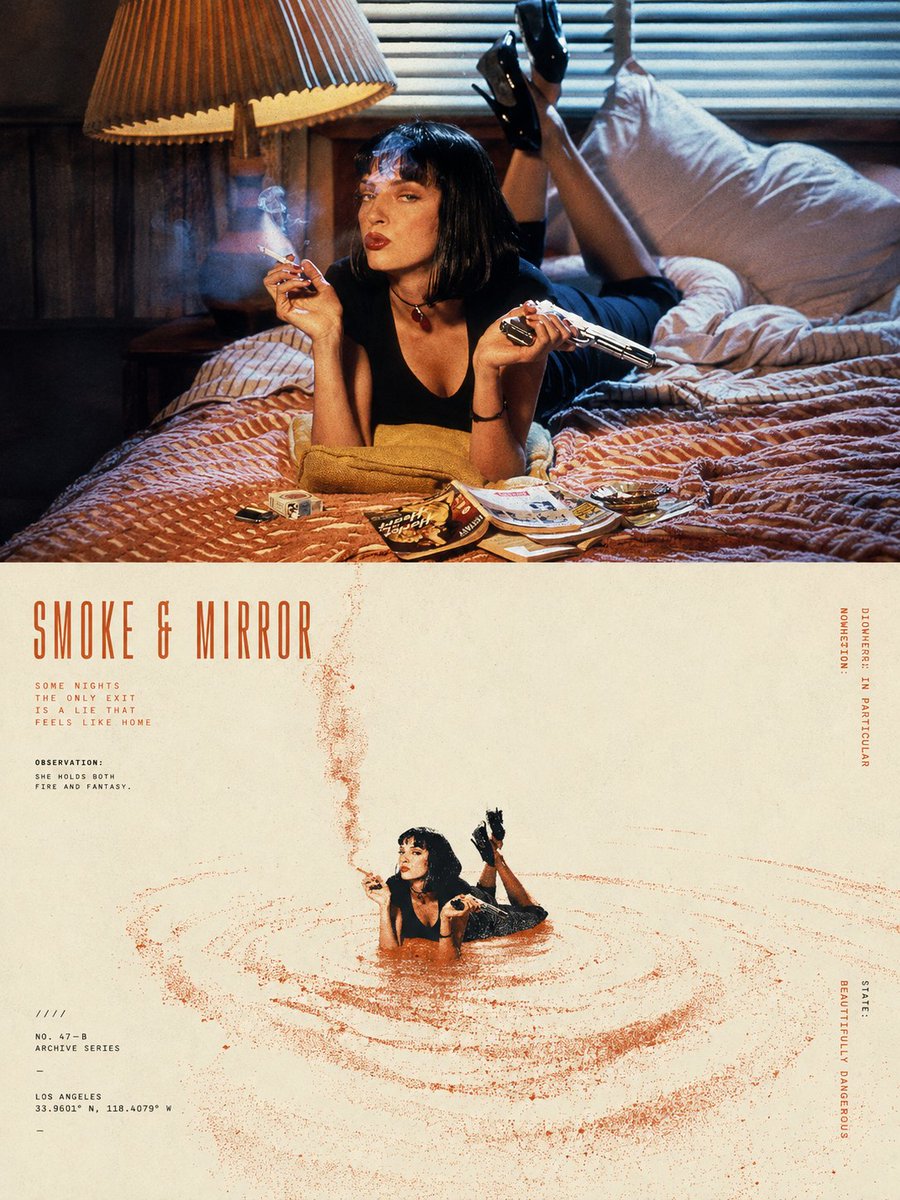
Please turn each photo I upload into a separate, high-end design poster. Do not create multi-image collages; output one standalone poster for each photo. Use an overall 3:4 vertical format, divided into two sections of strictly equal height, with the upper and lower halves each occupying exactly 50% of the composition. The upper half should retain the original photograph. Preserve the subject’s structure, authentic texture, natural lighting, and original color atmosphere. Apply only subtle, sophisticated photographic color grading to give it the visual quality of an art magazine, independent publication, or exhibition photograph. To adapt the image to the required aspect ratio, you may naturally extend the sky, ground, or surrounding environment, but do not stretch, distort, or alter the subject. The lower half should extract the most recognizable subject, silhouette, pose, and narrative relationship from the photograph and reinterpret them as a surreal, minimalist printmaking composition. Compress the subject into a clear, restrained visual anchor, usually rendered at a relatively small scale within a large field of negative space, preserving only the most essential silhouette and posture. Do not reproduce complex details. Instead, transform the original image’s movement, direction, light and shadow, or spatial relationships into a dynamic field that unfolds around the subject. For the dynamic field, naturally choose one primary motion logic based on the characteristics of the subject: it may fall from top to bottom, rise vertically, flow in a specific direction, radiate outward from a central point, or form irregular ripples and echoes. Use numerous fine lines, broken trajectories, rough halftone patterns, and variations in grain density to express movement. The field should be denser and more intense near the core, then gradually become sparser, more fragmented, and eventually disappear into the surrounding negative space. Avoid stacking multiple visual effects at once. Let one subject, one type of movement, and one vast spatial relationship define the composition. For the color palette, extract one highly distinctive, energetic signature color from the photograph in the upper half, and combine it with warm white, ivory, or natural paper tones, plus a small amount of black, creating a strict 2–3 color palette. The primary color may be slightly purified and intensified so that it feels vivid and powerful without becoming overly digital. Create tonal variation through halftone density, layered ink coverage, and exposed paper rather than conventional gradients. Preserve the tactile qualities of screen printing, Risograph printing, coarse grain, paper fibers, uneven ink coverage, and slight registration misalignment. Avoid CGI, 3D effects, realistic digital lighting effects, and smooth digital illustration aesthetics. Typography should follow a restrained experimental art-book micro-typography system. Derive an extremely short English title from the photograph’s action, distance, state, mood, or metaphor, and pair it with 2–4 groups of micro-text. These may freely combine short phrases, status terms, location or object information, serial numbers, coordinate-like numerals, directional words, archival labels, or observational notes. Text may be arranged along the horizon, motion trajectories, the subject’s axis, or the edges of negative space. It may also be set vertically, rotated, widely letter-spaced, embedded within the grain field, or lightly intersected by lines, allowing the typography itself to participate in the sense of space and motion rather than appearing as a separate layer pasted onto the composition. The overall visual language should emphasize a very small subject, vast negative space, dramatic scale contrast, a single dynamic field, and a rough printed texture. The result should feel quiet, solitary, mysterious, poetic, and subtly surreal, with the sensibility of experimental editorial design. Whether the subject is a person, animal, plant, building, object, vehicle, or natural landscape, maintain a clear visual and conceptual correspondence between the realistic photograph above and the abstract field below. Avoid complex scenes, multiple focal points, excessive decoration, ordinary gradients, commercial poster aesthetics, and template-like design.