
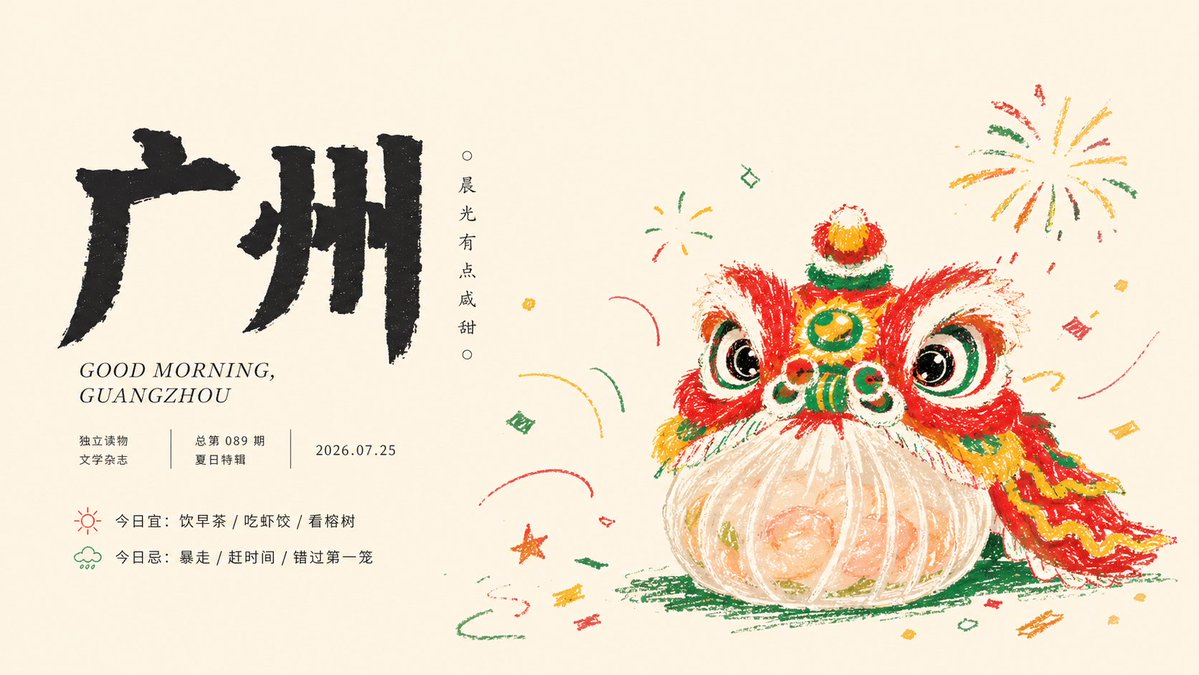
Around any theme object, generate an image with the aura of a literary magazine cover: first establish the primary visual weight with enormous black or theme-derived dark-colored text, with heavy letterforms and strokes carrying a calligraphic sense of pressure, occupying a high whitespace zone on one side, accompanied by a few thin lines, small publication-style type information, italic English or vertical short phrases forming a quiet reading rhythm; the theme object should not be rendered realistically but translated into a childlike crayon-drawn symbolic main form, placed on the other side toward the lower area, forming clear tension with the large blank space, keeping the hand-drawn roughness, breaks, smudges and local overrunning at its edges. Around the subject there may be theme-derived arcs, star dots, sparks, small marks or attachments, using slightly out-of-control hand-drawn trajectories to create a sense of adventure and childhood imagination, but the information zone must stay restrained, neat and leave room to breathe. Colors are extracted from the theme's own material, emotion and narrative: the large background stays bright, clear, clean and high in brightness; the text takes on structure in a crisp dark color; the subject uses medium-to-high saturation theme color blocks; the accent color appears only in small points or lines, maintaining a light, innocent, airy mood; the paper may carry subtle printing grain and powdery crayon texture, but must not become dirty, grayish or aged. As a whole it feels like a carefully typeset independent reading matter meeting a child's hand-drawn dream, where rational text order and free doodling restrain each other, possessing both an editorial sense and an unpolished spirit of adventure.