
PixelLab
인디 게임 개발자를 위한 전용 픽셀 아트 생성 플랫폼으로 스프라이트, 애니메이션, 환경, UI 에셋을 최대 10배 빠르게 생성합니다.
커뮤니티:


제품 개요
PixelLab이란 무엇인가요?
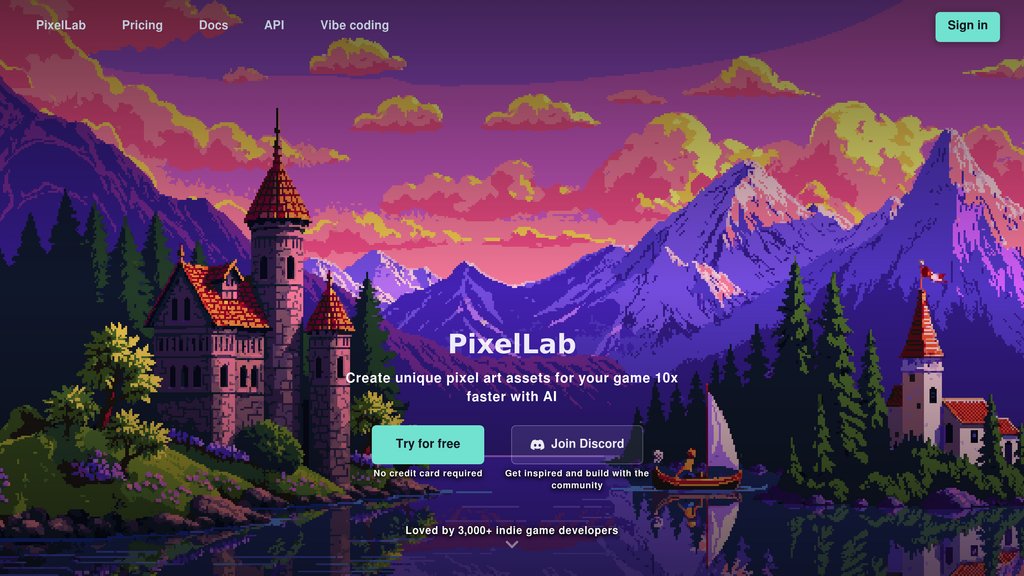
PixelLab은 인디 게임 개발자와 픽셀 아티스트를 위해 구축된 전문 게임 에셋 생성 도구입니다. 텍스트 프롬프트, 참조 이미지, 스켈레톤 기반 컨트롤을 통해 프로덕션 준비 완료 픽셀 아트를 생성합니다 — 캐릭터 스프라이트와 방향 회전부터 타일셋, 장면 환경, UI 컴포넌트까지 모든 것을 다룹니다. 플랫폼은 완전히 클라우드에서 실행되며, 브라우저에서 작동하거나 Aseprite 플러그인으로 사용할 수 있으며, 생성된 모든 에셋에 상업적 라이선스가 포함됩니다. 구독 티어는 취미용부터 팀 레벨 사용까지 확장되며, 장기 구독자에게는 충성도 할인을 제공합니다.
주요 기능
텍스트-픽셀 아트 생성
텍스트 설명으로부터 캐릭터, 아이템, 환경, UI 요소를 생성하며, 범용 이미지 생성기에서 흔한 혼합 픽셀이나 투명도 문제 없이 픽셀 아트 규칙을 준수하는 결과를 제공합니다.
방향 회전
하나의 입력으로부터 캐릭터와 오브젝트의 4방향 또는 8방향 뷰를 자동으로 생성하여 탑다운, 아이소메트릭, 사이드스크롤 게임 형식을 지원합니다.
스켈레톤 기반 및 텍스트 애니메이션
스켈레톤 컨트롤이나 움직임을 설명하는 텍스트 프롬프트를 사용하여 스프라이트를 애니메이션화합니다 — 걷기, 달리기, 공격, 사용자 정의 시퀀스 — 스프라이트 시트에 바로 사용할 수 있는 출력을 제공합니다.
진정한 인페인팅 및 스타일 일관성
원본 스타일을 보존하면서 이미지의 특정 부분을 편집합니다. 참조 이미지 기반 생성으로 새로운 에셋이 캐릭터, 환경, 오브젝트 전반에 걸쳐 기존 게임 아트와 시각적으로 일치하도록 보장합니다.
환경 및 타일셋 생성
탑다운 및 사이드스크롤 게임을 위한 상세한 장면, 게임 맵, 완벽하게 타일링되는 타일셋을 생성하며, 아이소메트릭 맵 지원과 최대 400×400 픽셀의 텍스처 생성을 포함합니다.
Aseprite 및 IDE 통합
로컬 워크플로우를 위한 네이티브 Aseprite 플러그인으로 작동하며, 브라우저 기반 편집을 위한 Pixelorama를 지원하고, MCP를 통해 Claude Code나 Cursor 같은 AI 코딩 도구와 연결하여 IDE 내 에셋 생성을 제공합니다.
사용 사례
- 인디 게임 개발 : 솔로 개발자와 소규모 팀이 전용 픽셀 아티스트 없이도 게임 준비 완료 에셋 전체 세트 — 캐릭터, 맵, 애니메이션, UI —를 빠르게 제작할 수 있습니다.
- 캐릭터 및 스프라이트 디자인 : 디자이너가 방향 회전과 애니메이션 세트를 포함한 주인공, NPC, 적을 생성하여 게임 내 모든 캐릭터에 걸쳐 일관된 스타일을 유지할 수 있습니다.
- 월드 및 환경 구축 : 텍스트 설명이나 참조 비주얼로부터 분위기 있는 배경, 타일셋, 완전한 장면 구성을 생성하여 게임 월드를 빠르게 구축합니다.
- 빠른 프로토타이핑 : 게임 개발자가 동일한 워크플로우에서 플레이스홀더와 프로덕션 품질의 에셋을 제작하여 초기 게임 디자인 단계에서 반복 주기를 가속화할 수 있습니다.
- 절차적 및 API 기반 에셋 생성 : PixelLab API를 통해 개발자가 절차적 게임, 실시간 콘텐츠 생성 또는 동적 게임 내 커스터마이제이션 시스템을 위해 프로그래밍 방식으로 에셋을 생성할 수 있습니다.
자주 묻는 질문
PixelLab 대안

Sprite AI
게임에 바로 사용 가능한 픽셀 아트 캐릭터, 아이템 및 애니메이션을 생성하는 텍스트-스프라이트 생성기로, 내장 편집기를 제공합니다.

Tripo AI
AI 기반 3D 모델 생성 플랫폼으로, 이미지와 텍스트를 고정밀·고속으로 3D 에셋으로 변환합니다.

Hyper3D
AI로 구동되는 플랫폼으로, 텍스트와 이미지를 현실감 있는 프로덕션 수준의 3D 모델로 변환하여 다양한 크리에이티브 산업에 활용할 수 있습니다.

Unity
멀티 플랫폼에서 인터랙티브 경험의 제작, 운영, 수익화를 가능하게 하는 선도적인 실시간 3D 개발 플랫폼입니다.

Tripo3D Studio
다양한 3D 모델 제작, 텍스처 생성, 리토폴로지, 리깅, 애니메이션 도구를 제공하는 통합 플랫폼입니다.

EasySBC
AI 기반 플랫폼으로 EA FC Ultimate Team Squad Building Challenge를 효율적으로 해결하고, 최적화된 스쿼드 제안 및 메타 기반 선수 평점을 제공합니다.

What Beats Rock Game
플레이어가 'rock'을 이길 수 있는 독창적인 답변을 만들어 AI 판정과 겨루는, AI 기반의 창의적인 가위바위보 게임입니다.

3D AI Studio
AI로 구동되는 플랫폼으로, 텍스트나 이미지에서 고품질 3D 모델을 신속하게 생성하며 고급 커스터마이징과 내보내기 옵션을 제공합니다.