
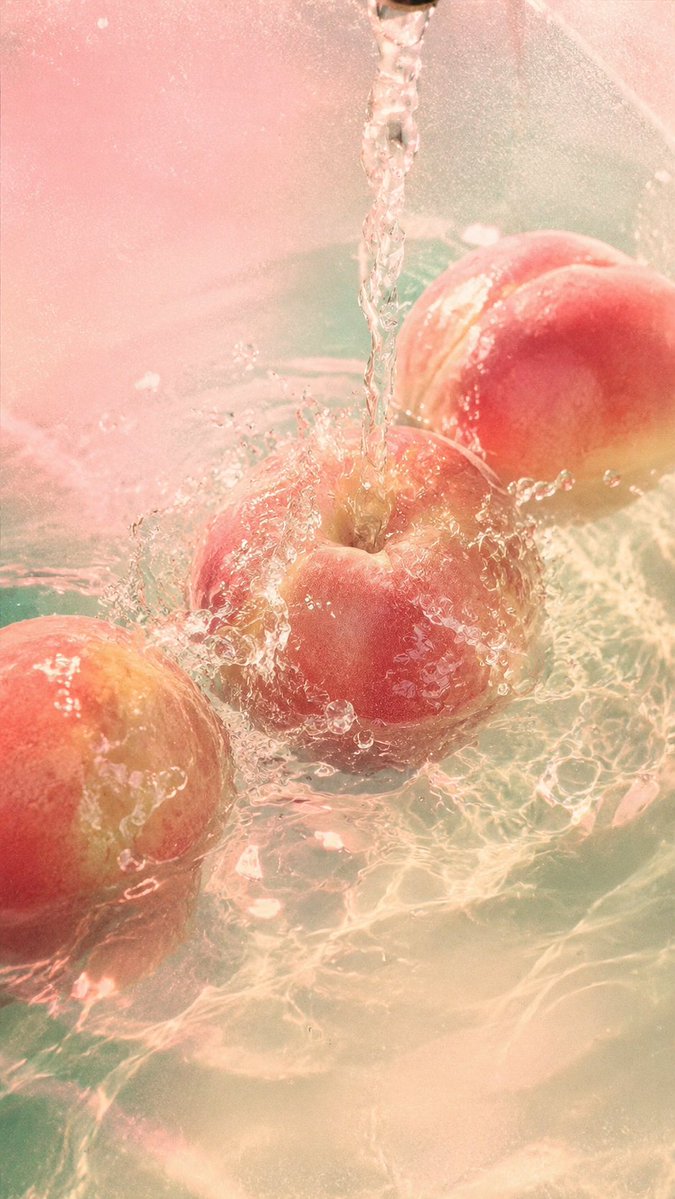
Create a stylized reinterpretation based on the image I uploaded, not a simple filter pass. Preserve the original subject's identity, core pose, main contours and compositional relationships, but allow the scene, lighting, color, space and visual narrative to be redesigned. Transform the image into a pink-green dreamcore fashion editorial: an overall blend of 90s retro fashion photography, Y2K experimental imagery, an indie music album cover, and surreal advertising visuals. Use a highly recognizable pink-and-teal color clash: pink sky, rose-toned skin highlights, peach-pink atmospheric haze, teal shadows, lake-green distant scenery, and mint-green ambient reflections. Colors soft yet striking, like faded film overlaid with dream imagery. Reconstruct the environment: place the subject in a more empty, surreal space, such as a pink desert, teal mountains, a dreamy studio, a minimalist room, a pale pool, beside a retro sports car, a cloud horizon, a soft-fog glass space, or a futuristic street. Visual language: soft focus, film grain, low contrast, hazy light, slight overexposure, retro magazine print feel, subtly distorted colors, and dreamlike spatial layers. The subject is sharp; the environment feels like a memory, a dream, or an ad set. The whole should not look like a random AI image, but like a complete art-directed work: unified color scheme, prominent subject, clean composition, negative space, a premium feel, and a publishable visual hook. Forbidden: do not directly copy a reference grid; do not generate multiple small images; do not add meaningless text; do not show watermarks; do not generate real brand logos; do not distort the person's facial features; do not let the subject disappear; do not only apply a pink filter.