
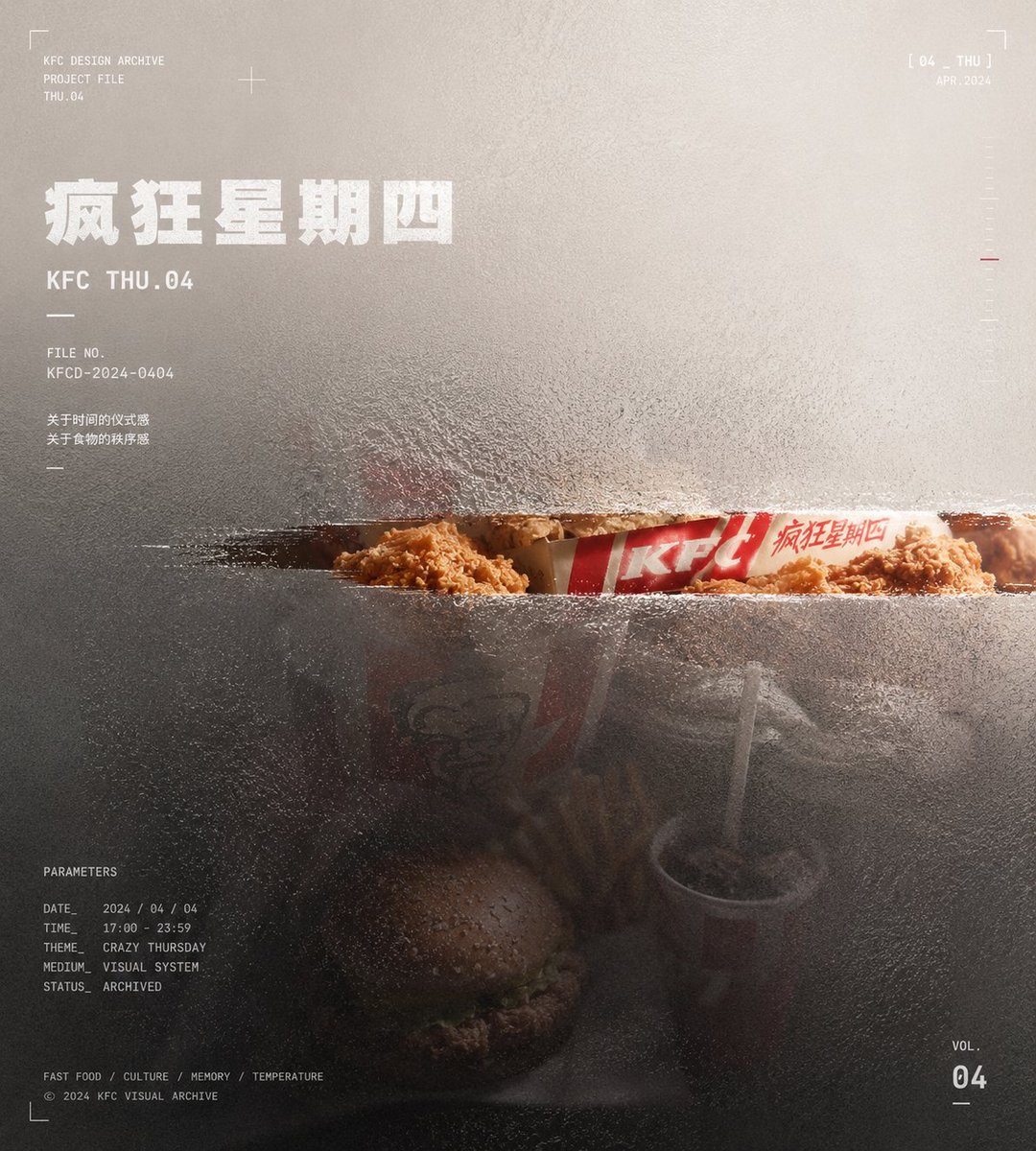
Generate a visual work with the order of a portfolio cover, centered on a concrete theme. The core object should not be displayed in full; instead it is first compressed into a main mass offset from the central axis, sunk between a translucent frosted surface layer and a low-saturation background field. The object's full contour, secondary details and ordinary captions are all swallowed by patterned-glass grain, tiny refraction shifts, milky haze and low-contrast blur, with only one clean, sharp narrow window cut out at the location that best carries theme recognition, keeping real texture, higher contrast and necessary color there, while the rest turns into shadow mass, softened contours, broken edges and transitions eaten by the background. The clear narrow window should look like a precise slit wiped open from the material's surface—restrained in size but semantically accurate—becoming the viewer's only strong entrance into the theme. The background, derived from the theme's spatial relations, material properties, temporal direction and emotional temperature, becomes a large low-noise color field, keeping light airiness at the top or outer side, forming a pale breathing zone on one side, and pressing lower lightness where the subject sits; the background carries no ordinary scene narrative but fulfills the structural functions of swallowing edges, carrying white text and creating distance and a sense of memory. Colors maintain a ratio among large-area desaturated structural colors, low-lightness subject color, a small amount of concentrated real color and white information color; hue changes with the theme, while lightness hierarchy, restrained saturation and local color value stay stable. The image uses three layers—sharp, semi-sharp and out-of-focus: the clear narrow window handles theme recognition, the short bold white title and numbering stay semi-sharp and readable, and most of the subject, the background and the tiny bottom information enter the frosted blur. Text uses a modern sans-serif typeface, white or near-white; the bold title is short, heavy, as if printed on the glass and slightly bitten by the surface; corner marks, edge dates, numbering and tiny footnotes form a metadata coordinate system, like work number, archive record and production parameters, serving the reading route without covering the clear narrow window. The whole surface retains the visible touch of grainy patterned glass, with texture density changing according to the underlying light and dark—denser in shadows, milkier in highlights—with fine refractions and slight shifts at the edges, so that all images, objects and text appear pressed under the same single material. The final image should present a cold, restrained visual cover with a technical-archive feel: information is deliberately hidden, and only the most essential part is released. Theme this time: Crazy Thursday KFC Ratio: 9:10