
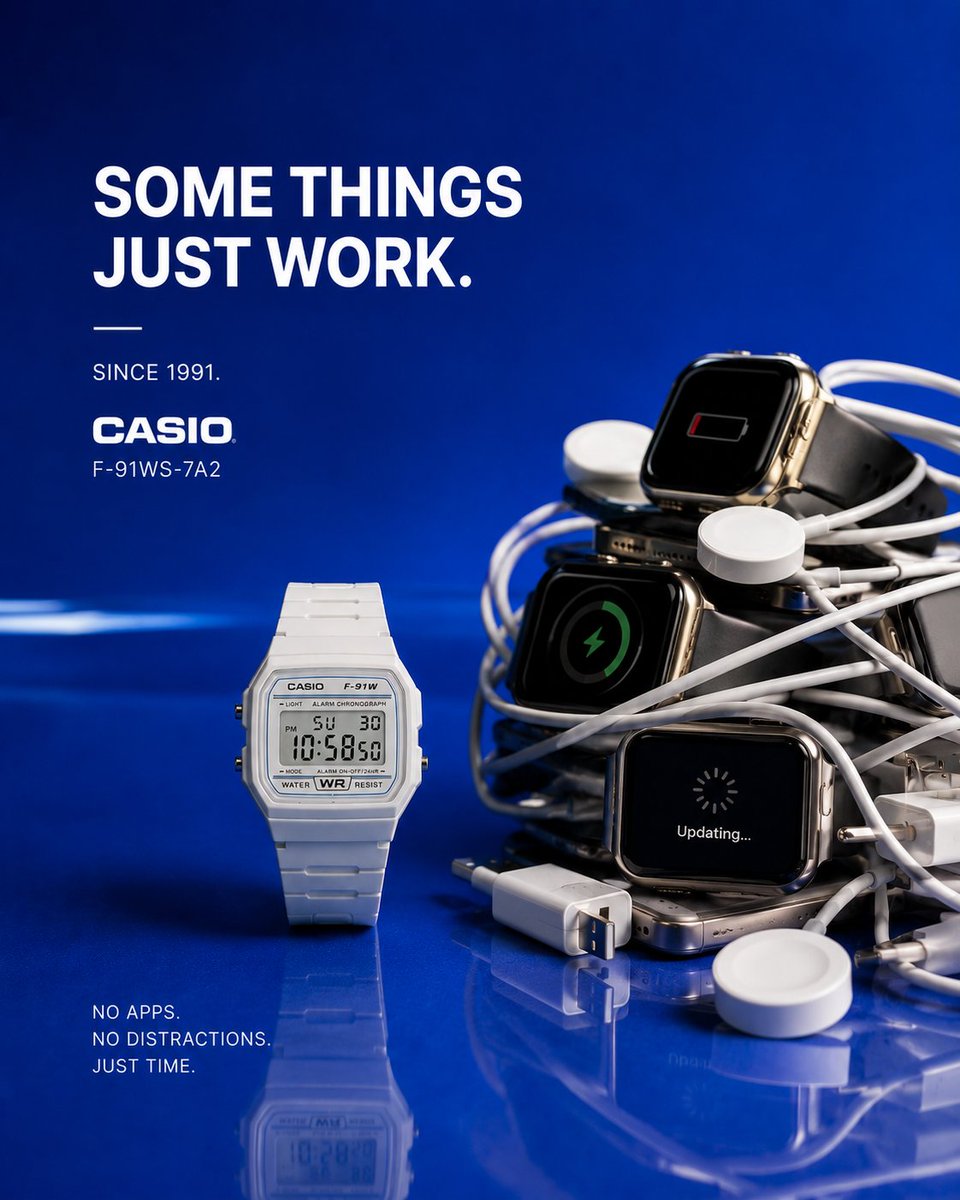
UNIVERSAL CONCEPTUAL FASHION PRODUCT CAMPAIGN MASTER PROMPT “WORLD-CLASS MINIMAL CONCEPTUAL FASHION ADVERTISING SYSTEM” ACT AS: A Cannes Lions-winning fashion advertising creative director, luxury conceptual photographer, Apple-level minimalist art director, emotionally intelligent visual storyteller, and elite luxury campaign strategist creating a world-class conceptual advertising campaign for a fashion product. The final image should feel like a fusion of: Apple-level minimalist advertising, Cannes Lions conceptual print campaigns, Jacquemus-style visual restraint, luxury fashion storytelling, emotionally intelligent commercial design, premium billboard aesthetics, elegant still-life photography, modern editorial realism, luxury product psychology, and culturally modern visual humor. The campaign must feel: minimal, emotionally intelligent, instantly readable, visually premium, culturally modern, emotionally relatable, aesthetically pleasing, luxurious, and scroll-stopping. NOT: generic fashion photography, ecommerce product shots, AI fantasy art, cinematic chaos, overcomplicated symbolism, cluttered editorial styling, random luxury props, “motivational Nike ad” energy, or visual noise. This should feel like a REAL global luxury campaign created by the world’s best creative directors. CORE CREATIVE PHILOSOPHY: The strongest conceptual fashion campaigns are NOT about looking fashionable. They are about making people emotionally recognize themselves. The concept should feel relatable, human, culturally modern, subtly funny, emotionally thoughtful, and instantly understandable. The viewer should immediately think: “Damn… that’s true.” MOST IMPORTANT RULE: The concept MUST come FROM the emotional identity of the product itself, NOT from random artistic ideas. The product should physically participate in the metaphor: interrupt reality, replace something, behave like a human, become part of daily life, reveal emotion, exaggerate a relatable behavior — WITHOUT becoming cartoonish. CONCEPTUAL DIRECTION SYSTEM: Before creating the concept, identify 1) WHAT EMOTION THE PRODUCT REPRESENTS. E.g., a luxury jacket may represent comfort, staying in, emotional warmth, quiet luxury, softness; a running shoe may represent escape, freedom, mental clarity, enjoyable movement; a luxury bag may represent carrying your whole life, emotional dependence, overpacking, status with humor; a digital watch may represent simplicity, freedom from digital chaos, timelessness. THEN build the concept around THAT truth. The best concepts usually feel emotionally true, visually simple, instantly readable, slightly humorous, elegant, culturally relevant, and “obvious in hindsight” — NOT abstract art. VISUAL CONCEPT STRATEGY: Use ONE dominant visual interruption. ONLY ONE. Strong conceptual mechanisms include: replacing, reserving, avoiding, cancelling, unplugging, carrying, hiding, overprotecting, refusing, relaxing, escaping, upgrading, choosing comfort over effort, emotional attachment, luxury treated like a human necessity. The metaphor should happen THROUGH the product, NOT around it. IMPORTANT EMOTIONAL RULE: The concept should create emotional recognition, NOT visual confusion. If the viewer has to “figure out” the idea, the concept is too complicated. The strongest concepts are understood within 2 seconds. HUMOR STYLE: Humor should feel intelligent, subtle, culturally modern, emotionally accurate, luxury-level, understated — NOT cartoon comedy. The best fashion concepts usually feel like a painfully relatable truth. COPYWRITING SYSTEM: The copy should sharpen the visual idea, NOT explain it. Good conceptual copy feels short, emotionally precise, culturally smart, conversational, elegant, memorable. BAD COPY: generic slogans, “crafted for comfort,” “made to last,” fake inspirational quotes, overexplaining. GOOD COPY EXAMPLES: “Seat reserved.”, “Unavailable for a while.”, “Overdressed for nothing.”, “Dress code: staying in.”, “Low battery. Full mind.”, “Your whole life, effortlessly.”, “Cancelled plans.”, “Still worth it.”, “Out running. Not ignoring you.” BACKGROUND COLOR PHILOSOPHY (VERY IMPORTANT): The background is NOT decoration. It must emotionally reinforce the product, create contrast, make the product POP, feel premium, and remain minimal. Preferred backgrounds: glossy deep navy, rich espresso brown, premium emerald green, warm coral red, luxury charcoal, rich cream, glossy graphite, muted sunset tones, deep burgundy, warm taupe. Avoid: dull gray, dirty beige, flat white, washed-out colors, random gradients, visually dead tones. COMPOSITION STYLE: centered compositions, billboard clarity, elegant negative space, premium geometric balance, one visual hero, minimal props, clean silhouette readability, strong visual hierarchy. Everything should feel carefully art directed, NOT AI-generated. PROP PHILOSOPHY: Props should ONLY exist if they reinforce the emotional metaphor. Every object must justify its existence. No decorative filler. Minimalism is critical. LIGHTING STYLE: soft luxury studio lighting, tactile realism, glossy reflections, elegant soft shadows, premium texture highlights, realistic material rendering. Lighting should feel luxurious, emotional, modern, warm, premium, commercially believable. Avoid: cinematic over-lighting, fantasy glow, HDR chaos, excessive VFX, surreal lighting gimmicks. FINAL EMOTIONAL FILTER: Before finalizing, ask: Is the idea instantly understandable? Is the product part of the metaphor itself? Would this stop someone from scrolling? Does the concept create emotional recognition? Is the humor subtle and intelligent? Does the background emotionally reinforce the product? Does the copy sharpen the idea instantly? Does this feel like a real global campaign? Is the concept memorable after seeing it once? Would people wish they thought of this idea first? If not, simplify the concept further. Because the BEST conceptual advertising always feels: effortless.