
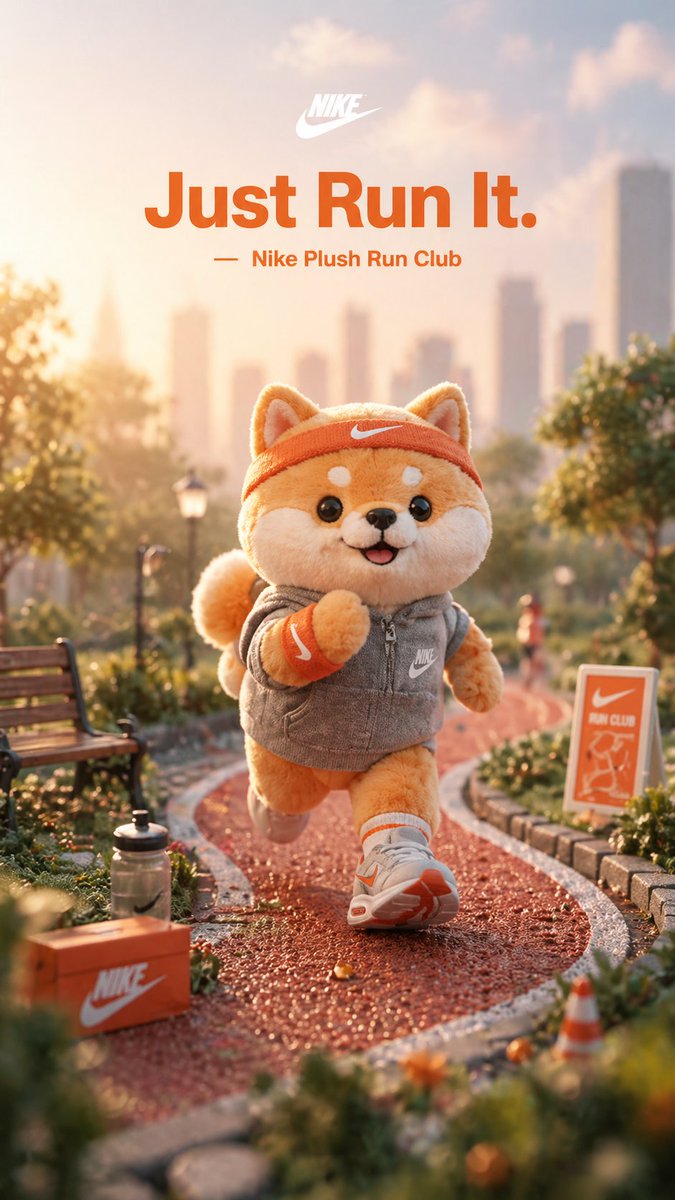
Based on the user's input, create a high-quality «Plush Micro-World Photography Poster». User input: Brand name: Scene theme: Character name (optional): Title text (optional): Mood/atmosphere (optional): If the user fills in [Character name], design the plush version and scene around that character; if not, automatically generate, based on [Brand name], [Scene theme], and the overall mood, the plush character best suited to the brand and scene. The character must have clear recognizability, a soft huggable feel, approachability, series extensibility, and brand fit; do not randomly generate an irrelevant character. It can be an animal type, fantasy creature, brand mascot, soft cute sprite, or another form better suited to the theme, decided by the AI according to the brand's temperament and theme. This image is not an ordinary toy snapshot, not a children's illustration, and not an information-dense ad poster, but a vertical phone poster that fuses «high-quality plush photography + dreamy miniature scene + restrained brand text/graphic system». Overall it should look like a plush micro-world shot in a real studio, with real lens feel, shallow depth of field, natural light and shadow, foreground/background layers, delicate materials, and a brand-campaign feel. The subject is one or a group of plush characters, which should be round, soft, cute but not childish, with obvious plush, wool-felt, velour fabric, or soft-toy texture. Expressions should be simple, emotional, and memorable; the eyes and mouth may be slightly anthropomorphic, so the character seems to be living in this little world rather than posing stiffly. The character should interact naturally with the [Scene theme], for example resting, strolling, reading, playing, receiving mail, drinking coffee, traveling, waiting, celebrating, daydreaming, working, keeping company, or exploring; the specific behavior is determined by the theme. Around the [Scene theme], build a dreamy, refined, life-like miniature scene. It can be like a miniature courtyard, a fairy-tale room, a brand window display, soft hills, a playground, a balcony, a garden, a street corner, a café, a study, a bedroom, an exhibition stand, a pop-up space, a festive installation, or another small world suited to the theme. Objects in the scene should have a scaled-down model feel and soft material feel, and may include plush ground, cotton clouds, foam buildings, fabric furniture, soft-plastic props, wool-felt plants, mini signs, toy-like daily items, brand-themed small objects, etc. Overall it should convey the life and story feel that «this character really lives here». The composition uses a vertical iPhone poster ratio, suited to social media and brand visual releases. Use a photographic composition, not a flat illustration layout. There must be clear foreground, midground, and background: the foreground may have slightly blurred props, flowers, clouds, toys, fabric edges, or scene elements; the midground is the plush character and the main interaction area; the background may be a soft sky, houses, windows, courtyard, interior space, brand installation, or dreamy depth. Moderate white space is allowed but not empty: it should serve the brand text and visual breathing room. Light should be real, soft, and airy. Depending on the theme, choose morning sunlight, afternoon natural light, warm dusk light, indoor lamp light, dreamy backlight, soft studio light, or bright outdoor light. The image should have real photographic quality: shallow depth, soft blur, delicate fuzz highlights, natural shadows, a macro-photography feel, and clean, bright color layers. Do not make it an overly flat illustration, nor an overly plastic 3D cartoon. The color style should be decided automatically based on the brand name and scene theme, not fixed to a single pink or beige. Overall you may use a high-brightness, clean, soft, healing color system, such as sky blue, cream yellow, cherry-blossom pink, light purple, grass green, warm orange, wood tone, white, or soft brand colors, but the image must stay fresh, high-end, and have a commercial-photography feel. Color may be sweet but not cheap; cute but not childish; dreamy but not messy. The text/graphic system should be restrained, clean, and brand-like. Add a small amount of brand visual text, for example a logo area in the top left, the brand name in the top right, a small signature at the bottom, an English subtitle, a series number, a short slogan, or an event title. The text should not become an infographic; do not include lots of selling-point labels, arrows, explanation boxes, or complex layout. It is recommended to keep the text area within 5%–12% of the image, so it retains the big-photo feel. If the user fills in [Title text], use that title first; if not, automatically generate a concise, well-designed English or mixed Chinese-English title based on the brand name and scene theme. The overall visual should present a high-end, soft, dreamy, truly photographic plush micro-world. It should look both like an image campaign the brand shot for a plush IP and like a visual poster ready to publish. Ensure the character, scene, text, color, light, and brand temperament are unified, not disjointed. The brand name and a short title may appear, but do not generate lots of incorrect text. Text should be as short and clear as possible, like the signature on a brand photographic work, not complex ad copy. Forbidden: low-quality toy snapshots, cheap children's illustration, excessive cartoonization, scary expressions, messy backgrounds, too much text, infographic-style arrow annotations, cluttered sticker stacking, excessive commercial-promo feel, overly plastic texture, character not matching the scene, no photographic depth, no plush texture, subject too small, empty image, brand text overpowering the subject.